


1. Introduction
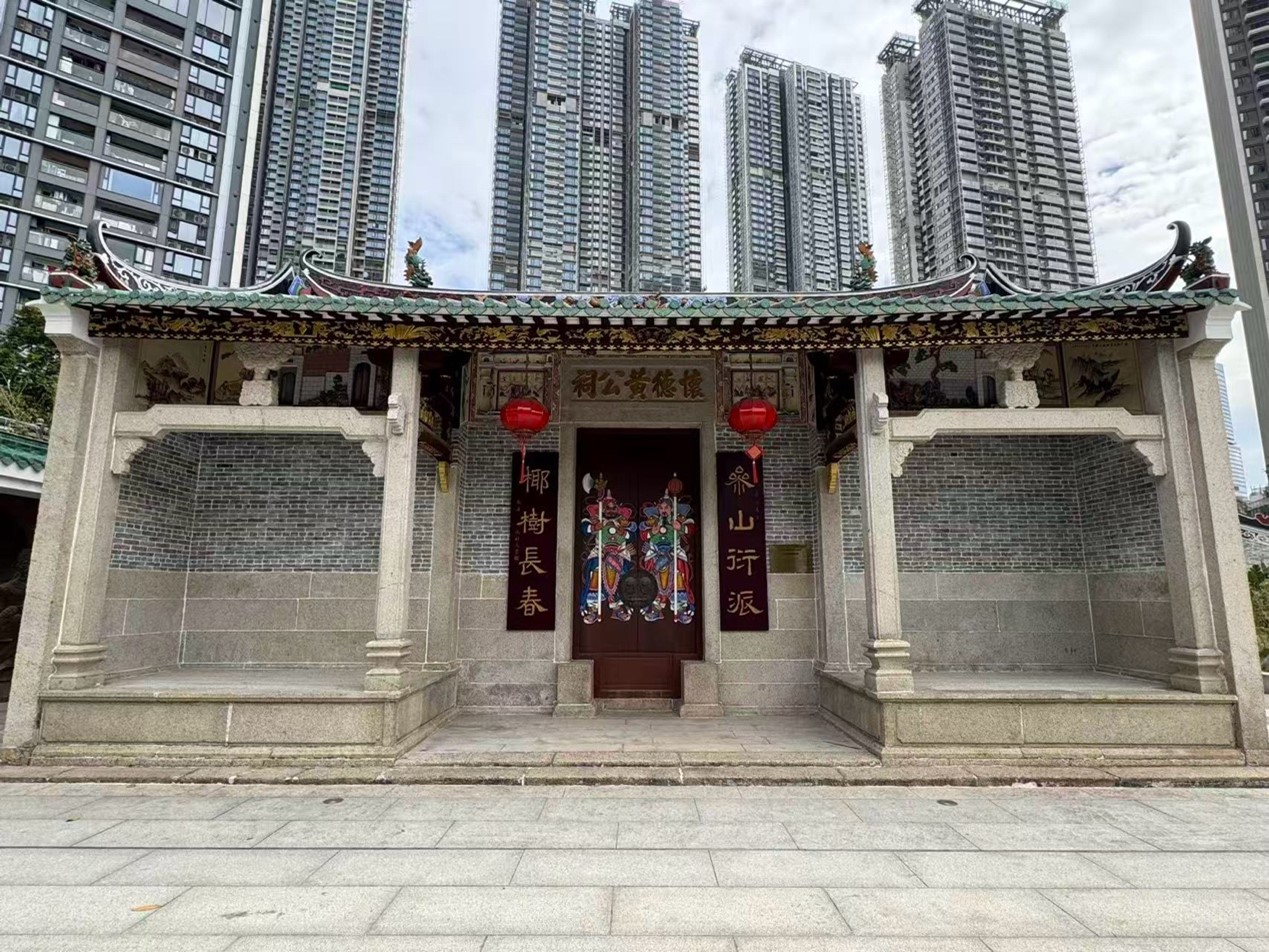
This project examines the Huang Gong Temple (怀德祠), an ancestral temple in Shangxia village, which now sits encircled by the soaring high-rises of the Zhongzhou Binhai Huafu residential complex in Shenzhen. This phenomenon deserves attention because it represents a profound and increasingly common cultural trace in China’s rapidly urbanizing landscape: the physical preservation but contextual transformation of sacred, historical sites. The temple, as a cultural trace, manifests the dramatic interaction between the grassroots, lineage-based culture of the original village and the powerful forces of state-led urban redevelopment. This project draws upon the cultural geographical concepts of spatial encapsulation and the everyday production of space to analyze how this unique spatial arrangement reconfigures the temple's meaning, transforming it from an exclusive site of clan worship into a contested, shared public space for the new urban community.
2. Cultural Geographical Perspective in Use
Cultural geography posits that space is not a neutral container but a social product, constantly being shaped by power relations, cultural practices, and everyday life. It focuses on how meaning is inscribed onto space, turning abstract "space" into meaningful "place." This project employs two key concepts to analyze the Huang Gong Temple:
- Spatial Encapsulation: This refers to the process whereby a traditional cultural space is physically preserved but simultaneously dominated and re-contextualized by a new, dominant spatial form—in this case, the modern residential complex. It is not merely being nearby, but being physically and visually surrounded and dominated. This process exerts a powerful symbolic force, often marginalizing the original significance of the encapsulated space and subjecting it to a new visual and functional logic (D. Harvey, 2002).
- Everyday Production of Space: Drawing on Henri Lefebvre's (1991) theory, space is continuously produced through everyday practices and social interactions. The meaning of a place is not fixed but is constantly negotiated through how people use it. The act of residents bringing children to play, of neighbors socializing, or of the elderly exercising in the temple grounds constitutes a form of "spatial practice" that actively produces new meanings, potentially challenging or layering over the temple's original sacred function.
Our analytical framework illustrates how the temple's meaning changes. First, its traditional atmosphere is weakened as it becomes physically surrounded by towers. Then, the daily activities of the community inject new, mundane functions into it. Together, these two processes create an internal tension between the temple's sacredness and its secular, everyday role.
3. Empirical Analysis
The Geographical Context: From Village Enclave to Urban Island
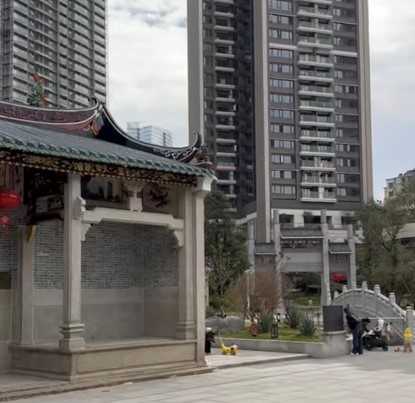
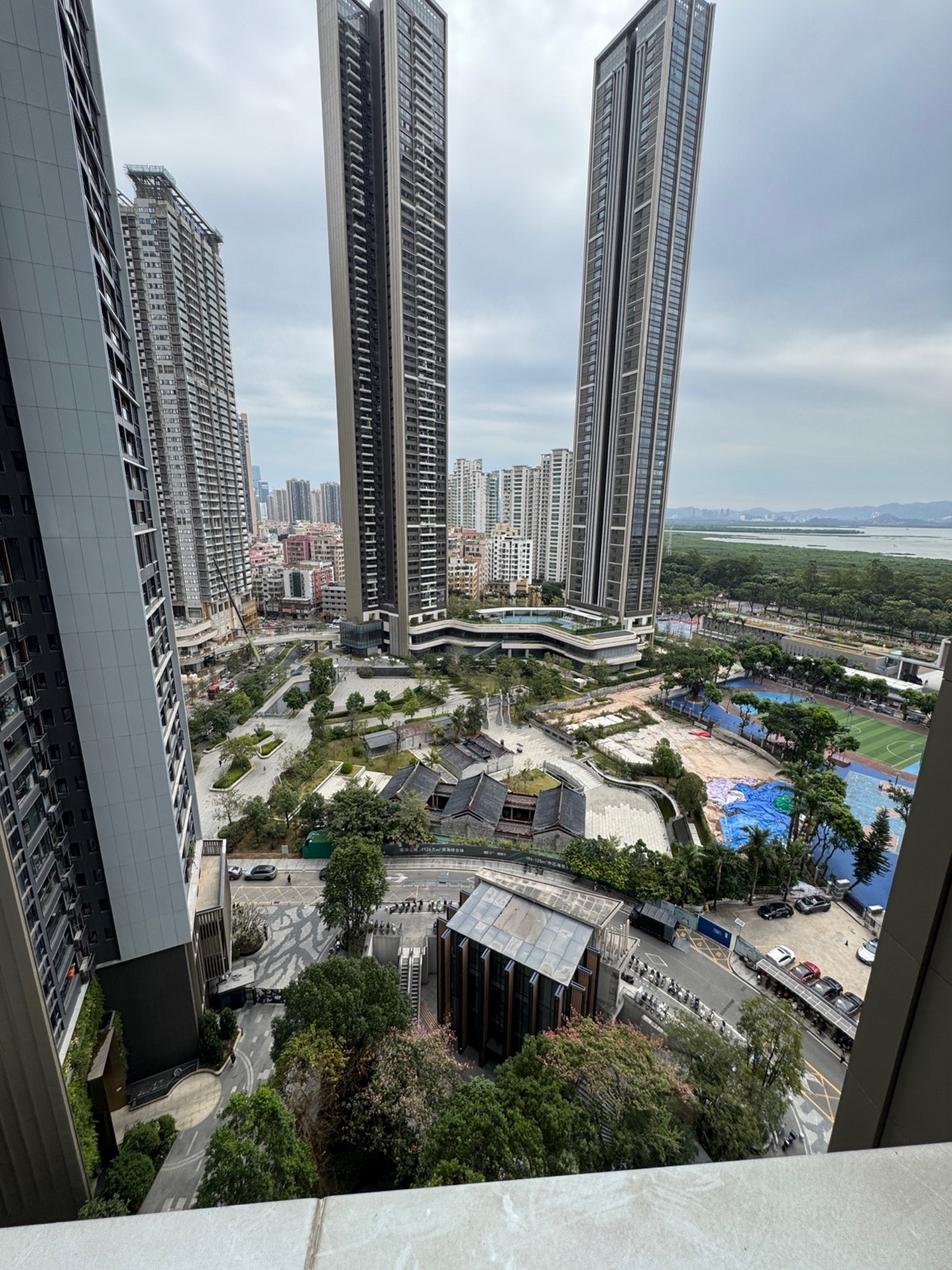
The Huang Gong Temple is located in the Futian District of Shenzhen, a city synonymous with hyper-speed urbanization. The geographical context crucial to this phenomenon is not just the city, but the specific process of "urban village" (城中村) redevelopment. Shangxia village was once a distinct entity, with the temple at its social and spiritual core. The construction of the Zhongzhou Binhai Huafu complex represents the latest and most physically overwhelming phase of this redevelopment. The temple was not demolished; instead, it was strategically preserved and isolated as a green-space centerpiece within the master plan. This has radically altered its context: once the heart of a horizontal villagescape, it is now a low-rise, traditional-form island in a vertical sea of modernity, accessible only by passing through the gates and curated landscapes of the private residential estate.
The Cultural Strands: Clan Lineage vs. New Urban Community
Two primary strands of culture interact at this site. The first is the clan-based lineage culture of the indigenous Huang family. For them, the temple is a "place" in the Yi-Fu Tuan (1977) sense—a space filled with profound meaning, history, and emotional attachment through generations of ancestor worship and collective memory. It represents continuity, identity, and sacred order.
The second is the culture of the new, heterogeneous urban community residing in the high-rises. This community, largely composed of middle-class professionals and migrant families, lacks historical ties to the temple. Their culture values amenities, leisure, and convenient communal spaces. For them, the temple ground is primarily a "space"—a accessible, aesthetically pleasing "central park" that serves practical needs for recreation and socialization.
Source: Photo by author, 2025.11.19
The Cultural Trace: Negotiated Sacredness in an Everyday Landscape
The preserved Huang Gong Temple is a clear trace of the negotiation between the original geographical context (the village) and the cultures that shaped it, and the new context (the luxury estate) and its culture. The preservation itself is a testament to the resilience of clan identity and possibly the developer's strategy to add cultural capital. However, the trace now tells a more complex story.
The temple's aura is fundamentally altered by its spatial encapsulation within the high-rises. These towering structures constantly dwarf it, serving as an overwhelming reminder of a new socio-spatial order. This power dynamic pressures its sacredness, potentially reducing it to a mere decorative artifact in the eyes of the new community.
Concurrently, the everyday production of space by the new residents actively rewrites the temple's script. When children use the courtyard as a playground, the primary sound is no longer of chanting but of laughter and games. When parents and domestic helpers gather there to socialize, the space functions as a living room for the community. These practices, while not intentionally disrespectful, impose a layer of secular, mundane meaning onto a space designed for reverence and ritual. This creates a quiet but palpable tension. One might observe clan members during Qingming Festival performing solemn rites amidst the casual comings and goings of residents, a stark illustration of the coexistence and collision of two different "place-making" processes.
This case reflects a modern urban dilemma: how to preserve a heritage site's soul, not just its shell. The temple stands intact, yet its original function and emotional impact are being gently yet profoundly altered. We witness its identity shifting from being a vessel of collective memory to an amenity for collective consumption.
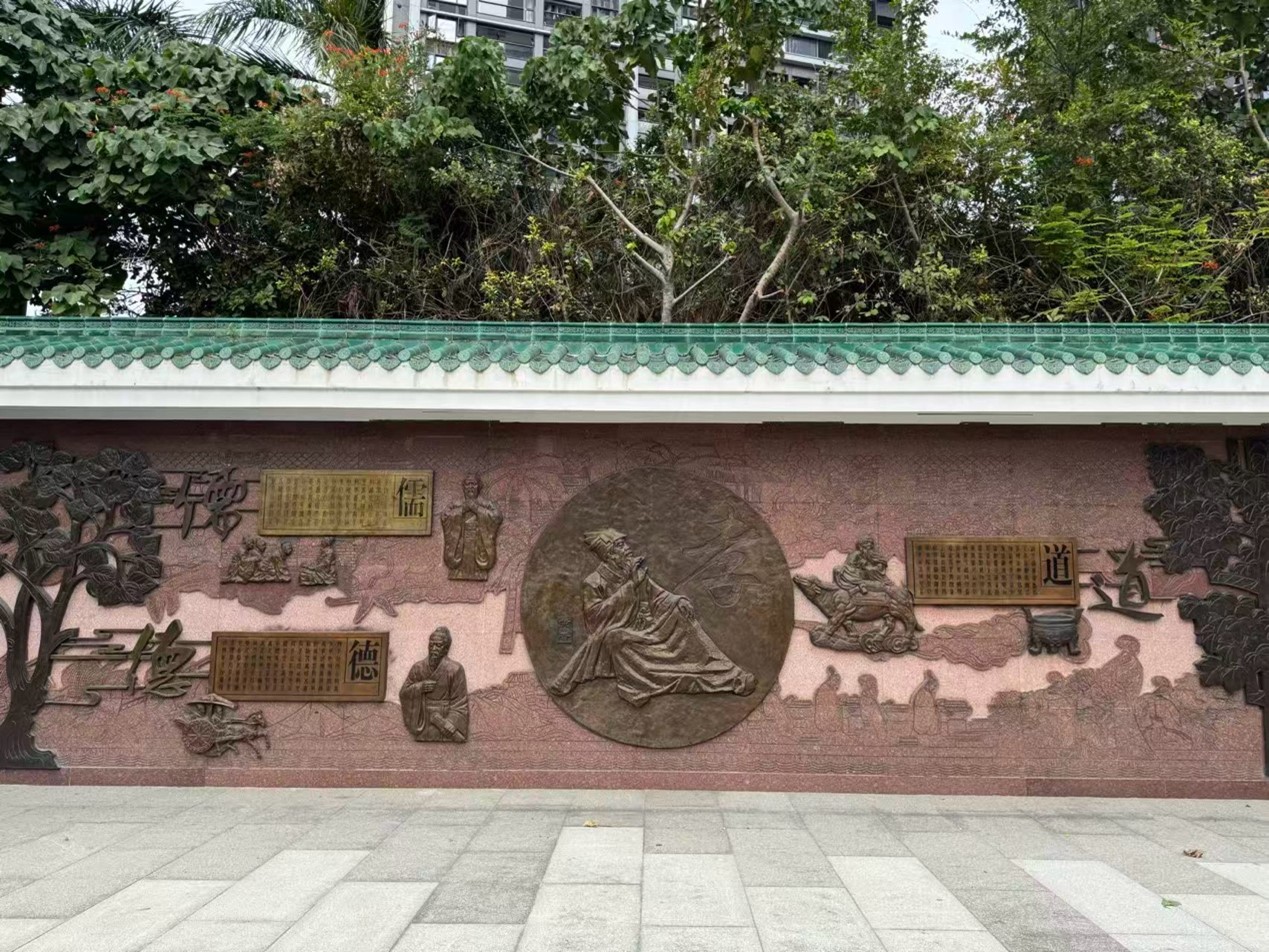
Figure 5. A bronze moral lecture artwork in the temple compound.
Source: Photo by author, 2025.11.19
4. Conclusion
This project's application of a cultural geographical perspective reveals that the preservation of the Huang Gong Temple is only a partial victory for cultural heritage. Its meaning is not static but is dynamically and continuously reshaped by its new spatial and social context. We found that spatial encapsulation symbolically marginalizes the temple, while the everyday production of space by the new community overlays it with a secular identity, leading to a negotiated and layered "place meaning" that balances between sacredness and secularity. Reflecting on the concepts used, Lefebvre's triad proved invaluable in highlighting the conflict between the "representation of space" (the planner's and developer's vision of a preserved relic) and "representational space" (the lived, everyday experience of the residents). A key policy recommendation would be to move beyond mere physical preservation. Facilitating dialogue between the Huang clan and the new residents, and perhaps co-creating interpretive signage or shared cultural events, could foster mutual understanding and a more conscious, collaborative production of this unique space's future meaning, ensuring its historical depth is not entirely erased by its new everyday life.
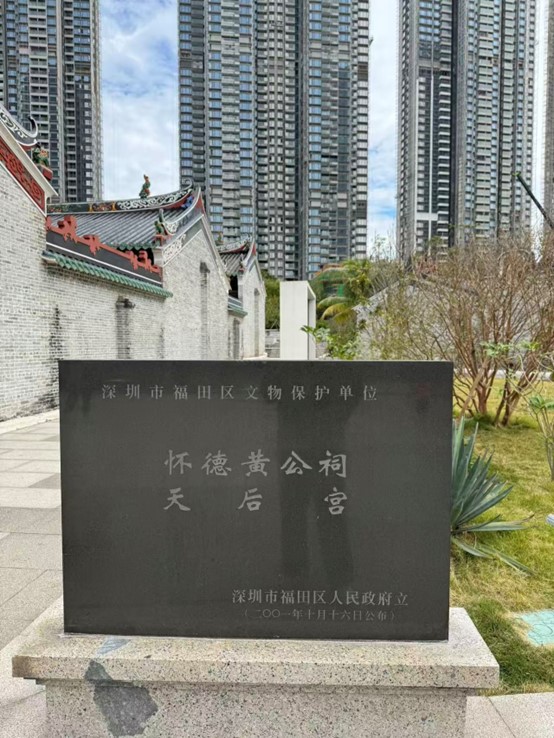
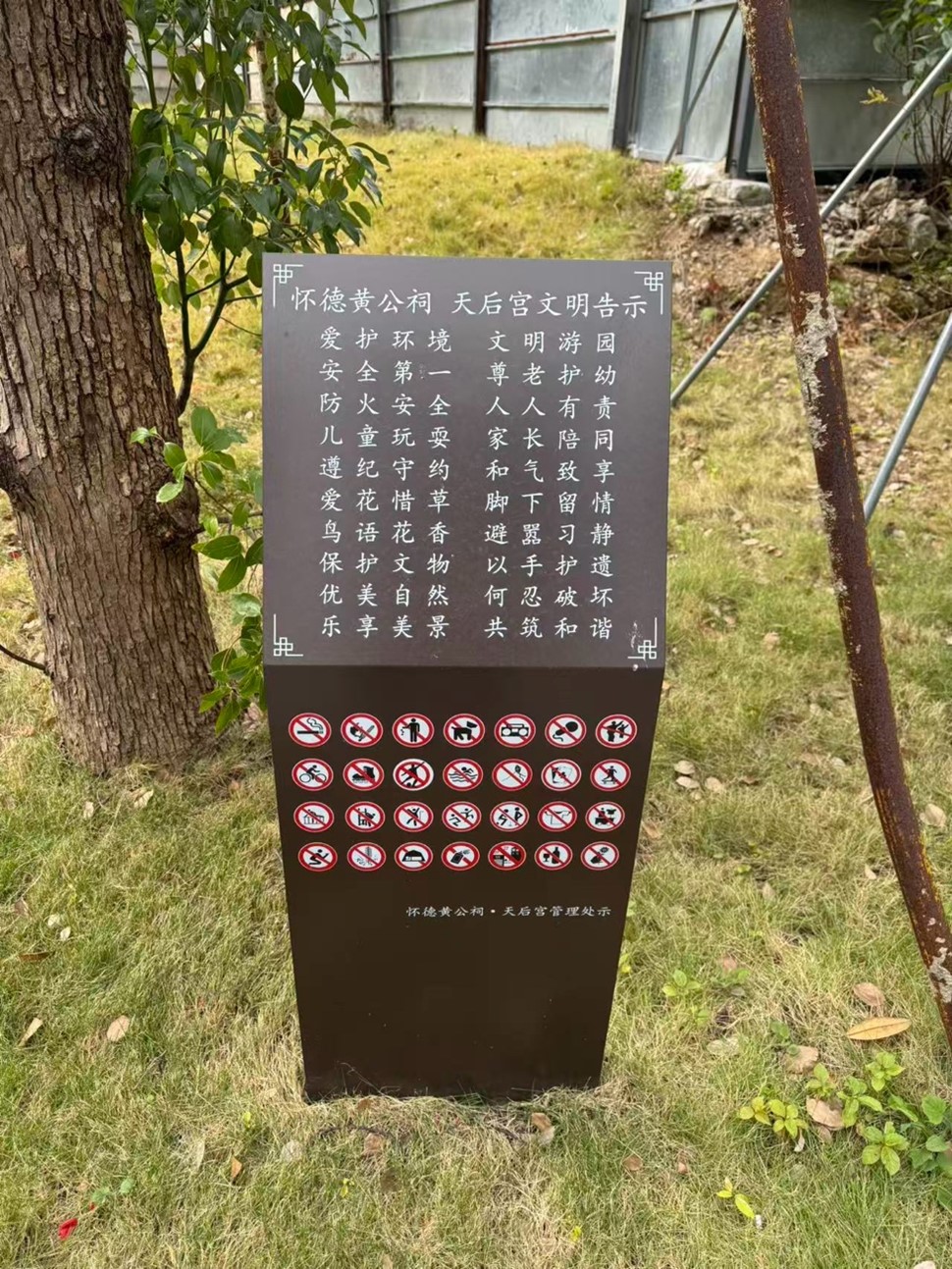
Figure 6. The government-issued heritage placard.
Source: Photo by author, 2025.11.19
References
Harvey,
D. (2002). Spaces of capital: Towards a critical geography. Routledge.
Lefebvre, H. (1991). The Production of Space. (D. Nicholson-Smith, Trans.). Blackwell Publishing.
Tuan, Y. (1977). Space and Place: The Perspective of Experience. University of Minnesota Press.